The aim of the European Partnership for Resilient Cultural Heritage (RCH) is to strengthen the means of preserving Europe’s cultural heritage and to contribute to climate neutrality in other sectors by bringing forward traditional and innovative practices, techniques and materials resulting from cultural heritage research.
What is a European Partnership?
European Partnerships are initiatives in which the European Union and private and/or public partners commit themselves to jointly support the development and implementation of a research and innovation program. The aim is to solve big societal problems that no single country could solve on its own, through transnational research projects involving not only researchers, but also professionals, public administration, civil society, etc., so that the results of the research are disseminated and useful on as wide a scale as possible. A European Partnership is primarily funded through Member States contributions, with supplementary funding from the European Union.
Vision and ambition
RCH will address two main challenges: 1) the limited research and evidence regarding adaptation strategies and the impact of climate and environmental change on cultural heritage; and 2) the need for enhanced understanding, use and recognition of how cultural heritage can inform policies and guide implementation measures, including the role of traditional and local knowledge.
Vision
By 2040, the Partnership will have created new opportunities for Cultural Heritage research collaboration which will have resulted in the strengthened ability to respond to climate change challenges and opportunities.
Mission
The Partnership will co-create multidisciplinary joint research funding actions, knowledge exchange and capacity building activities in order to strengthen the resilience of cultural heritage in Europe during the twin digital and green transition. Through a unique Partnership of funding agencies, ministries, researchers, practitioners and citizens, common opportunities and challenges will be addressed, societal resilience will be strengthened, and research impact will be scaled up.
Driven by its Strategic Research and Innovation Agenda, the RCH Partnership focuses on four impact objectives.
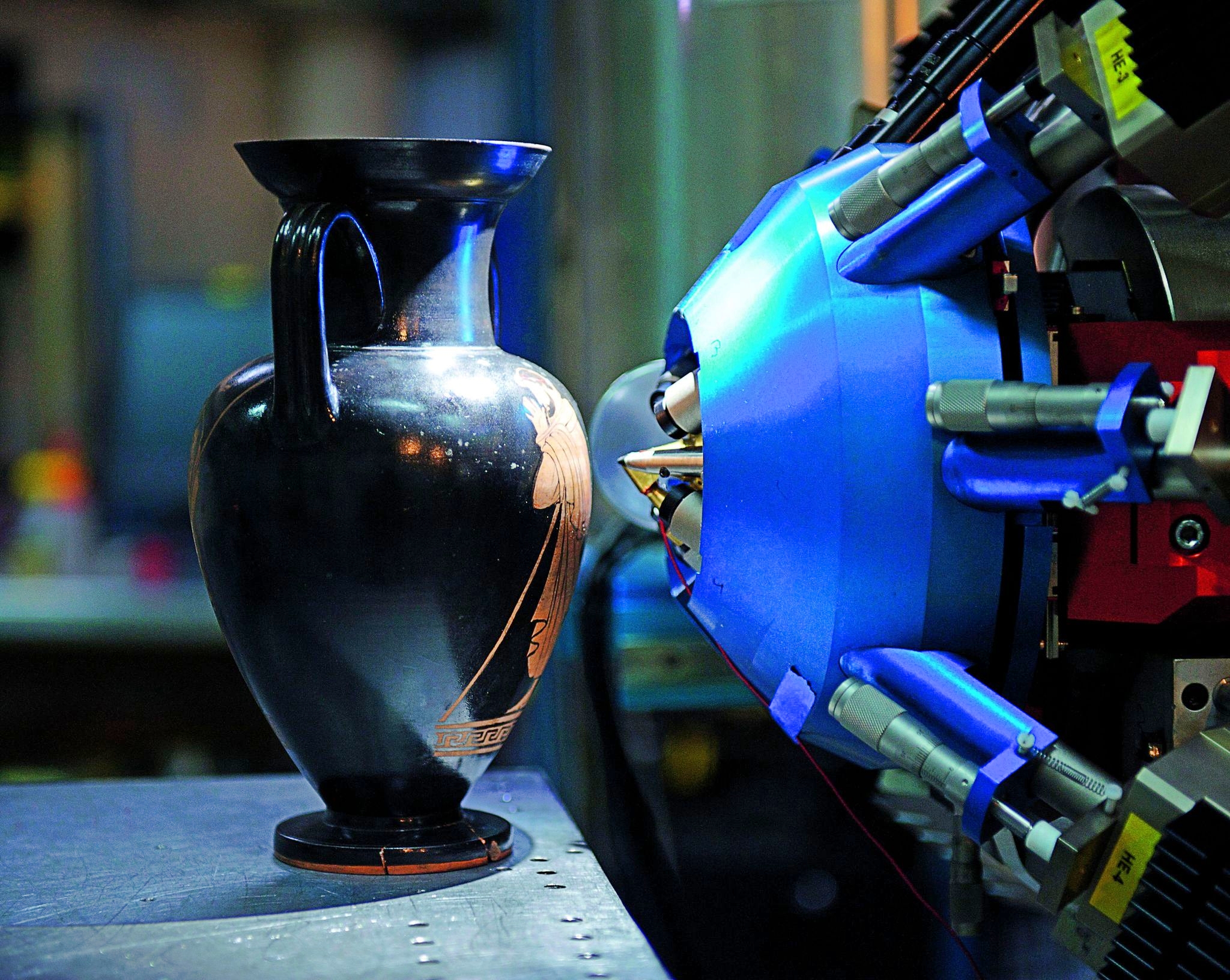
1. Create a shared knowledge production approach and scientific excellence based on interdisciplinary communities

2. Mobilise, engage interdisciplinary communities and build capacities
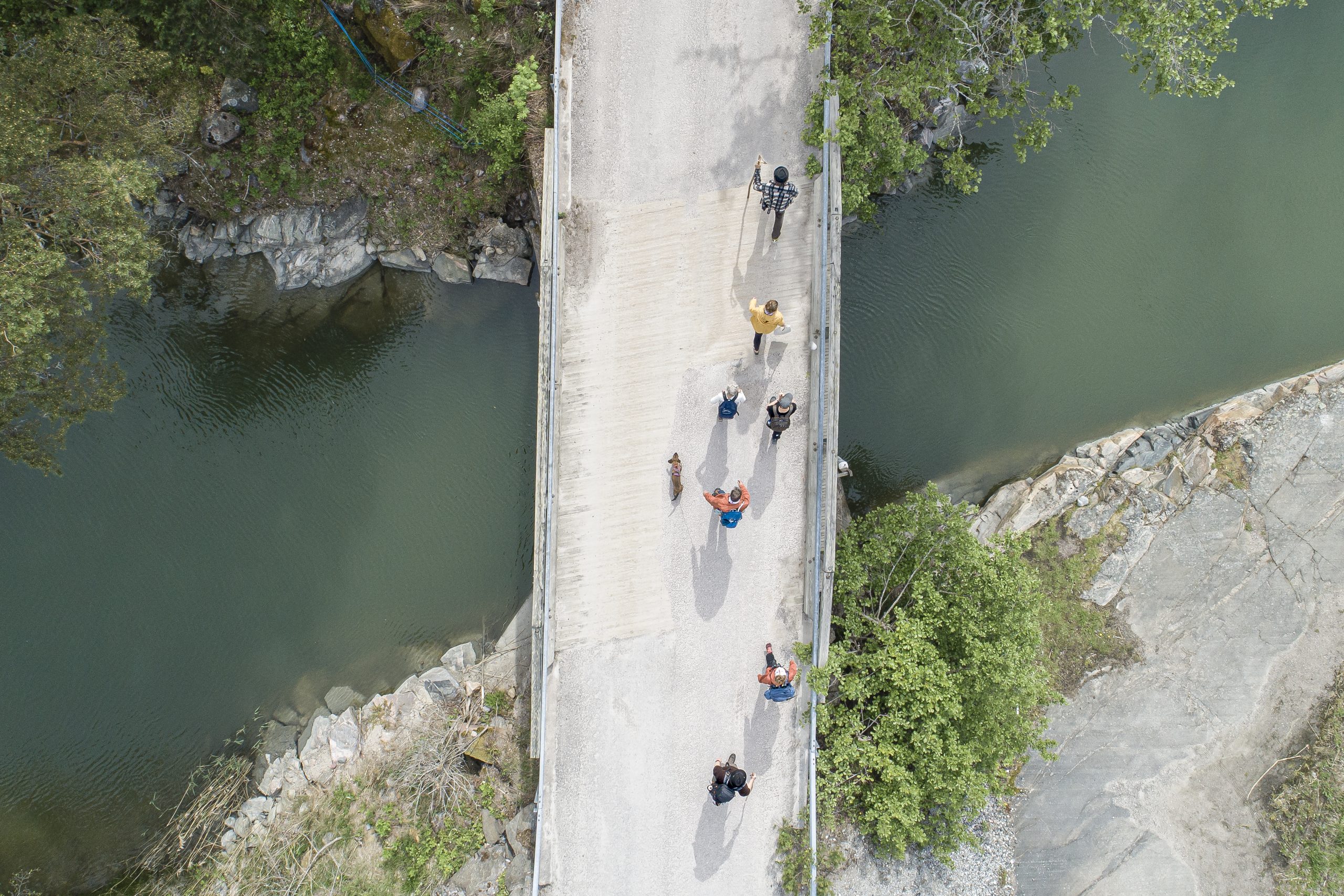
3. Align policies, governance and fund ecosystems
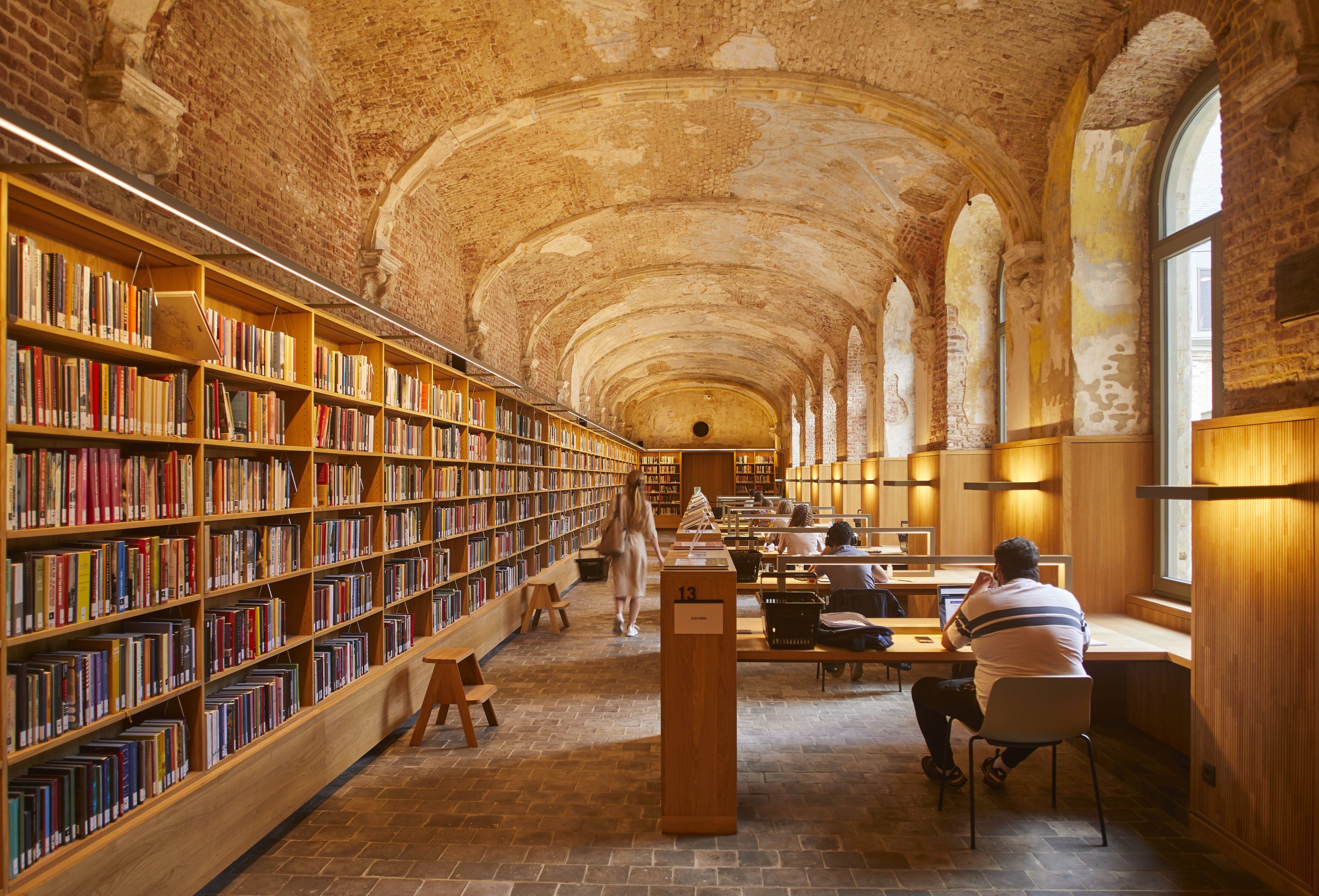
4. Accelerate knowledge transfer et societal uptake
In order to achieve these objectives, the RCH Partnership implements a set of interlinked activities:
- Ensuring coordination and running of the Partership
- Mapping and strengthening ecosystems
- Joint Transnational Calls
- Engaging interdisciplinary communities
- Building capacities
- Accelerating transfer to policy and society – a Living Labs Approach
- Prospecting for a sustainable future for cultural heritage researcg
- Monitoring results and assessing impact
- Fostering international collaboration
- Disseminating, exploiting and communicating
Governance
Partnership Assembly (PA)
The PA is the ultimate decision-making body of RCH Partnership regarding governance, strategic orientation, and operational implementation.
Executive Board (EB)
The EB is the supervisory body for the implementation of the RCH Partnership. It reports to and is accountable to the PA.
Call Steering Committee
The decision-making body for the implementation and follow-up of the Joint Transnational Calls (JTCs). It is supported by the Joint Call Secretariat.
Scientific, Advisory and Ethics Board (SAEB)
This body advises the RCH Partnership on strategic policy, scientific issues and ethics considerations. It is composed of three groups: the Scientific Group, the Advisory Group, and the Ethics Group.
Extended Advisory Board (EAB)
The EAB represents the broader cultural heritage and climate communities through its major initiatives and institutions. It is composed of several Thematic colleges.
Observing Partners Group (OPB)
The OPB gathers entities (Observers) interested in following the development of the RCH Partnership and, eventually, joining as full partners.
Partners
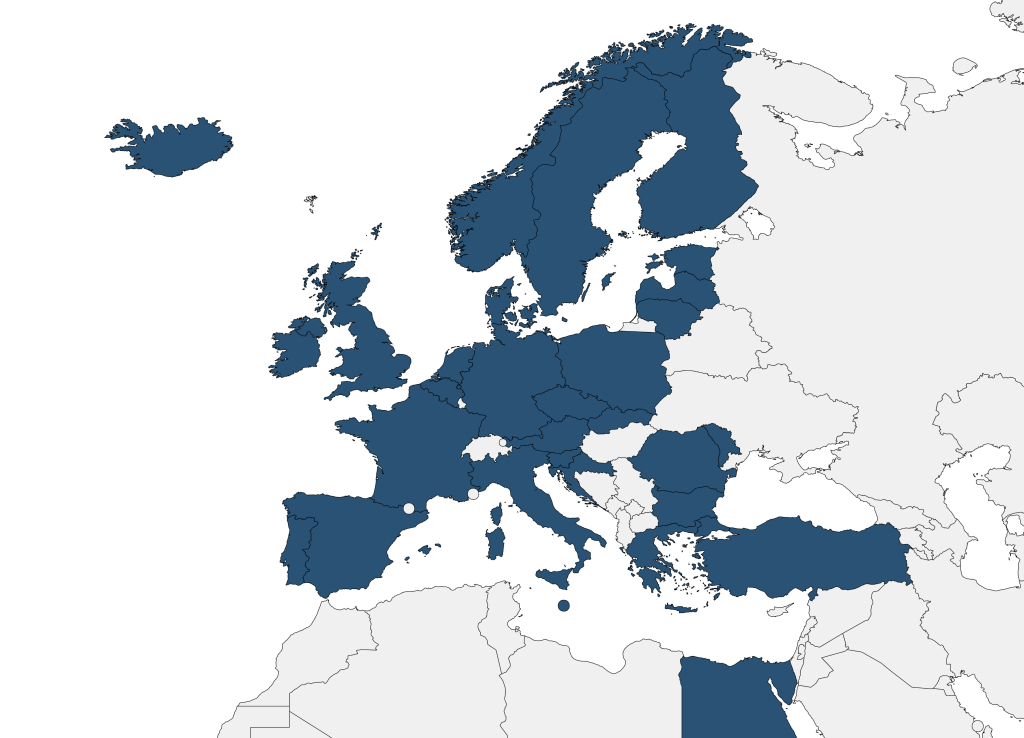
The RCH Partnership brings together over 90 partners from 30 countries.
RCH partners are ministries in charge of culture, research and climate, funding organisations, universities, cultural institutions and research performing organisations. They span across 30 countries, 24 EU Member States and 6 Horizon Europe Associated Countries.
It is coordinated by the Fondation des Sciences du Patrimoine (France).
©Archaeological site of Tróia (Portugal), STORM Project.
Contact the RCH Partnership